Planning a nursery in a shoebox-sized room? You’re not alone, and trust me, small spaces can actually work in your favor. These clever ideas will help you create a functional, adorable nursery that makes every single inch count without sacrificing the cozy vibes you’re dreaming of.
1. Go Vertical With Your Storage Game
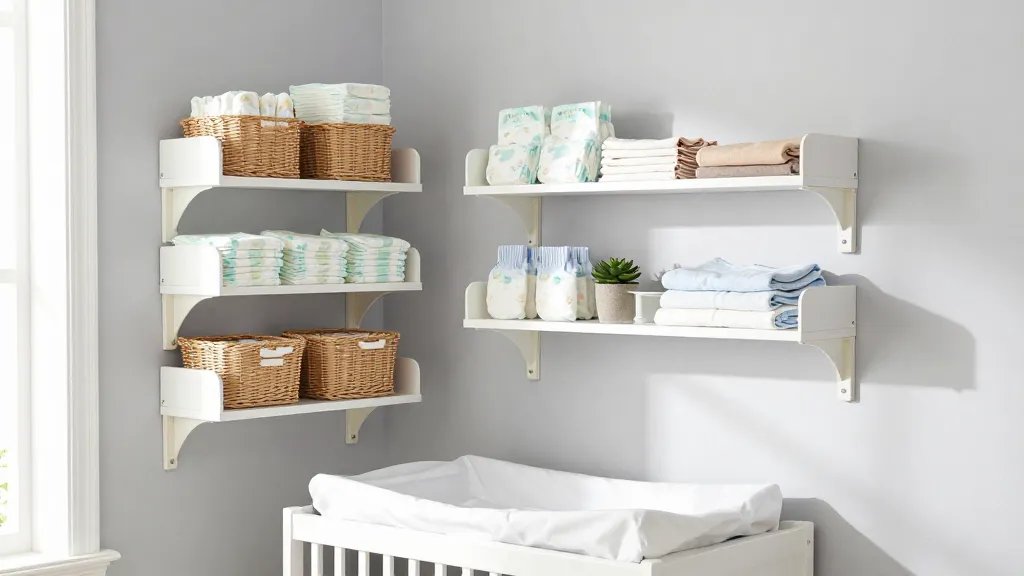
Here’s the thing about small nurseries: your floor space is precious real estate, but your walls? They’re basically a blank canvas waiting to be put to work. When you can’t expand outward, the only way is up.
Wall-mounted shelves are your new best friend. Seriously, floating shelves above the changing table can hold diapers, wipes, and all those tiny baby essentials you’ll reach for approximately 500 times a day. Install them at different heights to create visual interest while maximizing storage capacity.
Smart Vertical Solutions:
- Tall, narrow bookcases that reach toward the ceiling instead of eating up floor space
- Pegboards for hanging everything from stuffed animals to diaper bags
- Over-the-door organizers for shoes, toys, or extra blankets
- Wall-mounted baskets that add texture while storing small items
- Corner shelving units that utilize often-wasted space
Don’t forget about the space above the door frame. A small shelf up there can hold keepsakes or items you don’t need daily access to. Plus, mounting your diaper caddy on the wall keeps the changing table surface clear for, well, actual changing.
The beauty of vertical storage is that it draws the eye upward, making your ceiling feel higher and your room feel larger. You’ll free up floor space for a comfy rocker or play mat, which honestly matters way more than having every surface covered in stuff.
2. Choose Furniture That Works Overtime
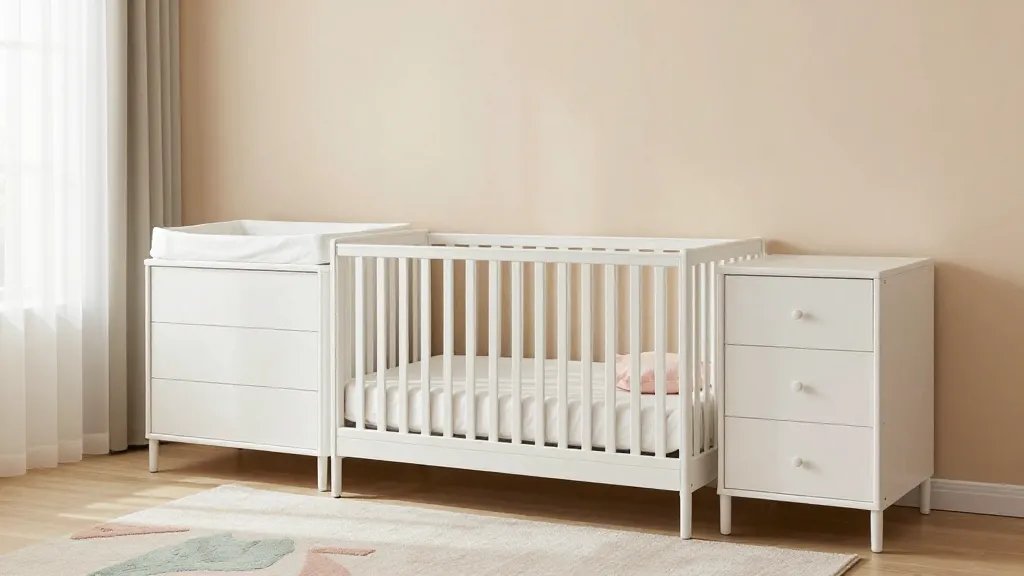
In a small nursery, every piece of furniture needs to earn its keep. This isn’t the place for single-purpose items that’ll gather dust after six months.
A convertible crib is non-negotiable IMO. These bad boys transform from a crib to a toddler bed, and sometimes even into a full-size bed. You’re basically buying three pieces of furniture for the price of one, and you won’t need to shuffle furniture around when your baby graduates to the next stage.
Multi-Tasking Furniture Essentials:
- Changing table dressers that function as regular dressers once diaper days are done
- Storage ottomans that hide toys while giving you a place to rest your feet
- Rocking chairs with built-in storage compartments underneath
- Cribs with built-in drawers at the base for extra linens
- Fold-down wall desks that can serve as a changing station or reading nook later
Consider a mini crib if you’re really tight on space. They’re about 24 inches shorter than standard cribs but still provide a safe sleep environment. The space you save can accommodate a small dresser or glider, which you’ll actually use way more than you think.
Here’s a pro tip: look for furniture with rounded edges and a smaller footprint. A sleek, modern glider takes up less visual and physical space than a bulky traditional rocker. Your shins will thank you when you’re stumbling around at 3 AM.
The changing table situation deserves special attention. Instead of a dedicated changing table, use a dresser-top changing pad. Once your diapering days end (and they will end, I promise), you simply remove the pad and you’ve got a regular dresser. No need to replace furniture or figure out what to do with that weirdly specific piece.
3. Master The Art Of Strategic Color Choices
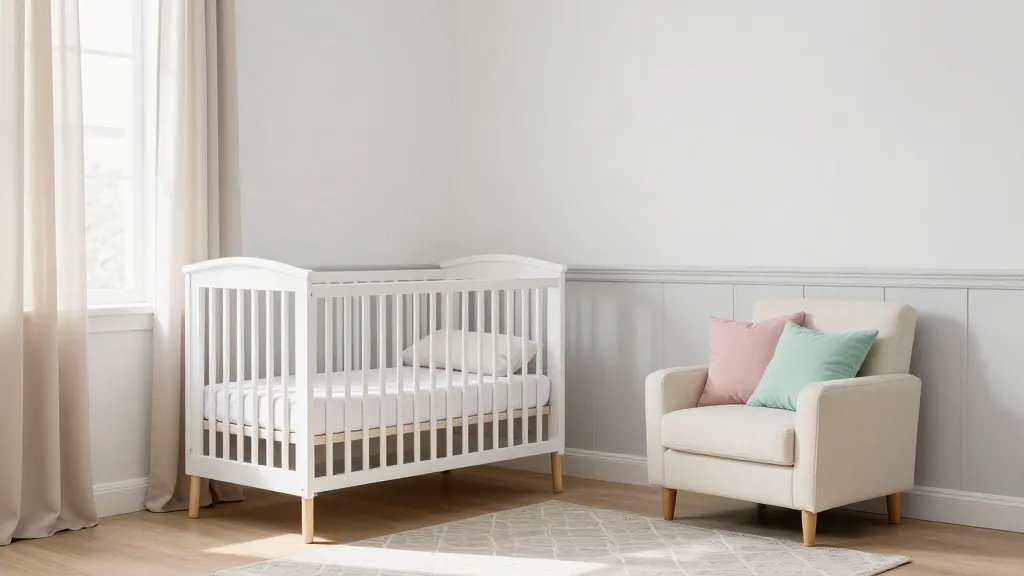
Color isn’t just about making things pretty—it’s a legit optical illusion tool that can make your small nursery feel way more spacious than it actually is. The right palette creates depth and openness, while the wrong one can make your cozy space feel cramped.
Light, neutral colors are your secret weapon. Soft whites, pale grays, gentle beiges, and pastels reflect light and make walls visually recede. This doesn’t mean boring—you can absolutely add personality through accent colors and patterns.
Color Strategy Tips:
- Paint the ceiling the same color as the walls to blur boundaries and create flow
- Use one accent wall instead of multiple bold colors competing for attention
- Keep large furniture pieces in light, neutral tones
- Add pops of color through easily changeable items like curtains, rugs, and artwork
- Consider painting built-in shelving the same color as walls to make them disappear
Want to go bold? Reserve your saturated colors for smaller elements like throw pillows, picture frames, or a single statement piece of wall art. This gives you the visual interest without overwhelming the space. Plus, when your kid inevitably decides they hate that color in two years, you’re only replacing small accessories instead of repainting entire walls.
FYI, monochromatic schemes work wonders in small spaces. Sticking to various shades of one color family creates a sophisticated, pulled-together look while maintaining that spacious feel. Think soft sage greens from pale mint to deeper eucalyptus, or warm neutrals from cream to taupe.
Stripes can be your friend here too. Vertical stripes on one wall draw the eye upward and make ceilings feel higher, while horizontal stripes can make a narrow room feel wider. Just don’t go crazy—one striped wall is plenty.
4. Embrace Clever Closet Organization Systems
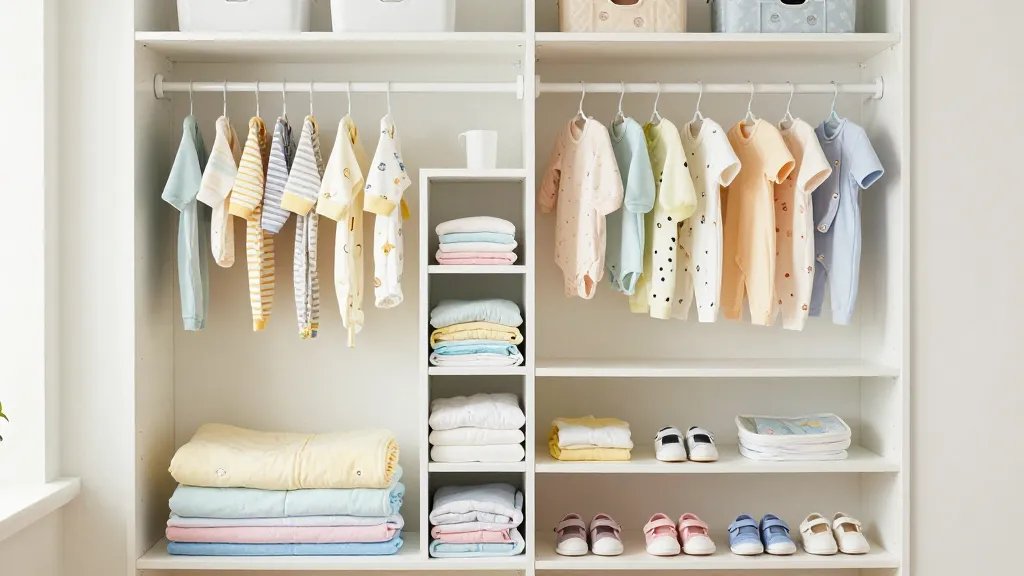
That tiny closet in your nursery has more potential than you think. With the right organization system, it can hold approximately ten times more stuff than it currently does. No joke.
Start by removing that single hanging rod and installing a customizable closet system. These adjustable units let you create the exact configuration you need right now, and reconfigure as your needs change. Baby clothes are tiny, so you can easily fit two hanging rods instead of one, instantly doubling your hanging capacity.
Closet Maximizing Must-Haves:
- Double hanging rods for those adorable miniature outfits
- Shelf dividers to keep folded items from toppling into chaos
- Hanging shoe organizers repurposed for diapers, socks, and accessories
- Labeled bins on upper shelves for seasonal items or hand-me-downs
- Drawer units that slide onto closet floors for small items
- Over-rod shelving for items you don’t access frequently
The back of your closet door is prime real estate. Mount hooks, small shelves, or hanging organizers there for daily-use items. Those Command hooks can hold everything from sleep sacks to the diaper bag you grab fifty times a day.
Think about using clear storage containers instead of opaque ones. Being able to see what’s inside each container means you’re not pulling down twelve boxes looking for that one specific thing. Label them anyway—future exhausted you will appreciate the redundancy.
Don’t neglect the space at the very top of your closet. Install a high shelf for items you need to keep but rarely use: special occasion outfits, extra blankets, or sizes your baby hasn’t grown into yet. Just make sure you can safely reach them with a step stool.
Here’s something nobody tells you: babies don’t actually need that many clothes. Resist the urge to fill every inch of your beautifully organized closet. Leave some breathing room, and the space will stay functional and accessible instead of becoming a stuffed disaster zone.
5. Create Zones Without Using Walls
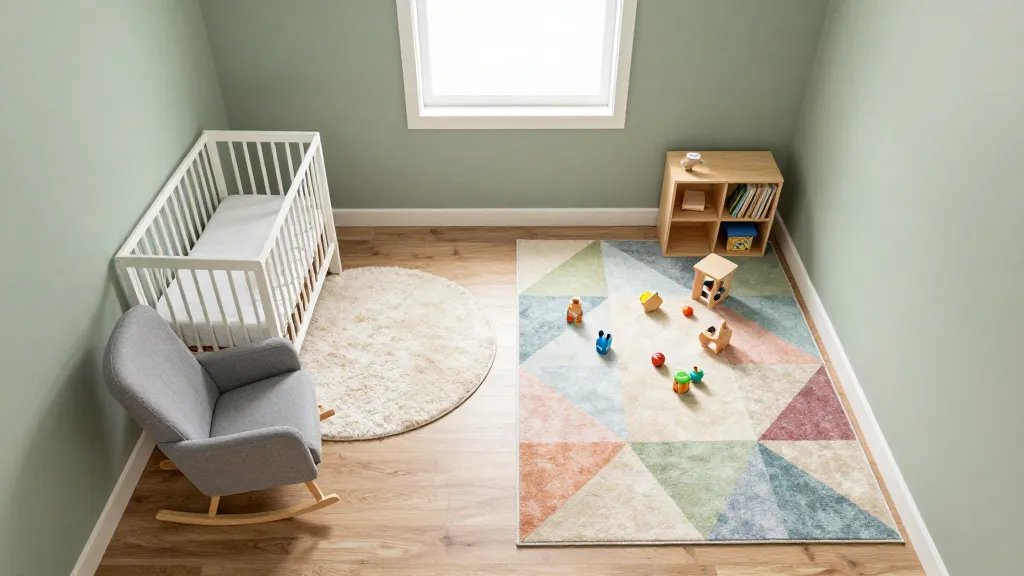
Just because your nursery is small doesn’t mean it can’t have distinct areas for different activities. You just need to get creative about defining spaces without literally building walls.
Area rugs are zone-creating magic. Place a soft, plush rug under the crib and rocker to define the sleep zone, and use a different rug texture or color in the play area. This visual separation helps your brain understand that different activities happen in different spots, even though they’re all in one room.
Zone-Defining Techniques:
- Use different lighting for each zone (soft lamp near rocker, brighter light near changing area)
- Position furniture to create natural pathways and boundaries
- Hang curtains or fabric panels to softly separate spaces
- Use different wall treatments or colors to distinguish areas
- Create a visual boundary with a low bookshelf or storage unit
A corner reading nook doesn’t require much space but creates a special spot that feels intentional. Throw a small floor cushion, a basket of board books, and maybe a cute wall decal in a corner, and boom—you’ve got a dedicated storytime zone that takes up maybe three square feet.
Lighting is seriously underrated for zone creation. A dimmable overhead light works for general tasks, but add a small lamp near the rocker and suddenly that corner feels like its own cozy retreat. Different lighting temperatures can also help—warmer light for the sleep area, slightly cooler light where you need to actually see what you’re doing at the changing table.
Consider using a small open shelving unit as a room divider. It doesn’t block light or make the space feel smaller, but it creates a subtle boundary between, say, the sleeping area and the play zone. Bonus: you get storage on both sides.
The beauty of zone creation in small spaces is that it makes the room feel organized and intentional rather than cluttered. Each area has a purpose, and you’ll naturally keep things tidier when there’s a clear system in place.
Conclusion
Small nurseries aren’t a limitation—they’re an opportunity to get creative and intentional about your space. These five strategies will help you create a functional, beautiful room where every inch serves a purpose, and honestly, that’s more than most nurseries can say regardless of size. Now go make that tiny space work wonders!
–
0 Comments