Living in a tiny home doesn’t mean drowning in clutter or giving up half your belongings. These clever storage solutions will help you squeeze function out of spaces you didn’t even know existed, turning your compact home into an organized paradise that would make Marie Kondo proud.
1. Turn Your Stairs Into a Storage Powerhouse
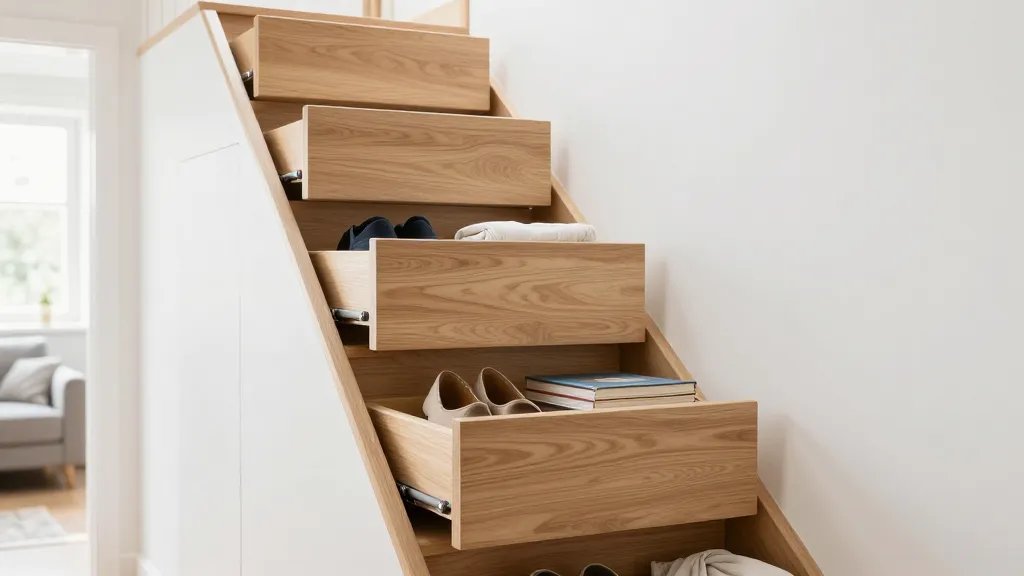
Those stairs eating up precious square footage? They’re secretly a storage goldmine waiting to happen. Each step can become a pull-out drawer or lift-up compartment, giving you anywhere from 10 to 20 cubic feet of hidden storage.
You can store everything from shoes and seasonal clothes to books and kitchen supplies. Some people even turn the space under their stairs into a mini pantry or wine rack. The key is installing custom drawers that fit the exact dimensions of each step.
Installation Tips:
- Use soft-close drawer slides to prevent slamming
- Add handles that sit flush with the step surface
- Install LED strips inside for visibility
- Label drawers if you’re storing similar items
This works best if you’re building your tiny home from scratch, but you can retrofit existing stairs with some carpentry skills. The investment pays off immediately when you realize you just gained a closet’s worth of space without sacrificing a single square inch of your floor plan.
2. Mount a Pegboard Wall System That Does Everything
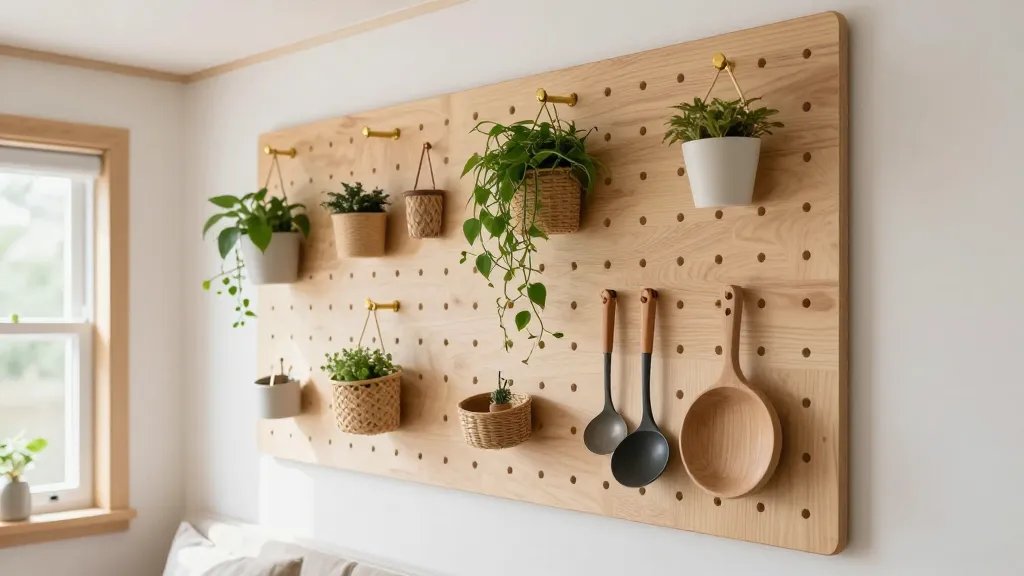
Pegboards aren’t just for garages anymore, trust me. These versatile panels turn any wall into a customizable storage system that you can rearrange whenever your needs change.
The beauty of pegboards is their infinite flexibility. Need to hang pots and pans today? Done. Want to switch it to a craft supply station next month? Just move the hooks around. You can find pegboards in wood, metal, or colorful plastic finishes that actually look good in living spaces.
What You Can Store:
- Kitchen utensils and cookware
- Jewelry and accessories
- Office supplies and notebooks
- Tools and hardware
- Plants in hanging containers
Install pegboard in high-traffic areas like behind your desk, beside your bed, or in the kitchen. You’ll free up drawer space while keeping everything visible and accessible. Plus, the visual aspect actually makes your space look more curated and intentional rather than cluttered.
FYI, painting pegboard in bold colors or patterns can transform it from utilitarian to statement piece. Just make sure you choose accessories and hooks that match your aesthetic.
3. Install Magnetic Strips Everywhere You Can
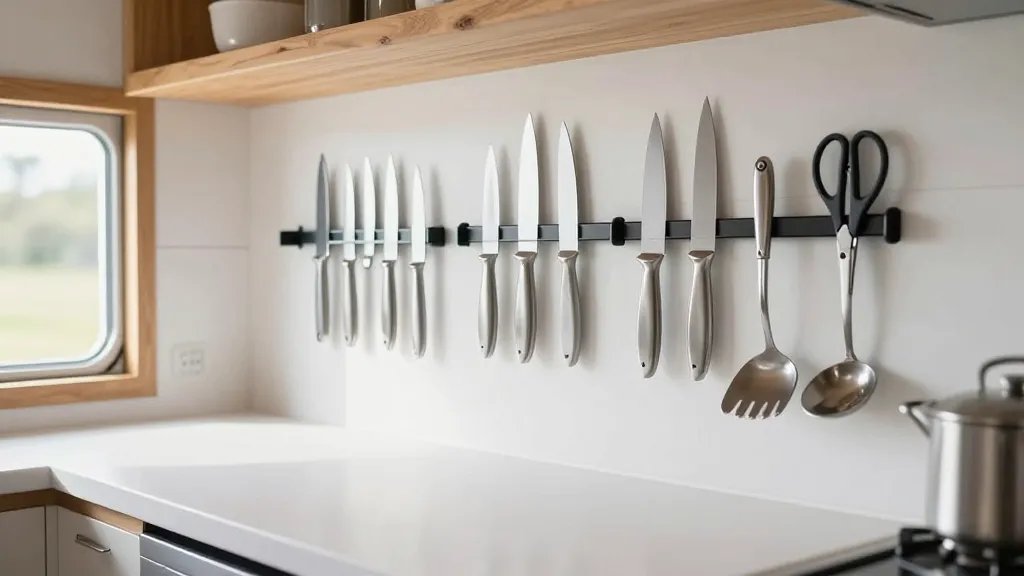
Magnetic strips are ridiculously underrated in tiny home storage conversations. These simple metal bars create vertical storage for any item with metal components, instantly clearing your counters and drawers.
Mount them in your kitchen for knives, scissors, and metal utensils. Add them to your bathroom for tweezers, nail clippers, and bobby pins. Stick them in your office for scissors and paper clips. The applications are literally endless, and installation takes about five minutes per strip.
Best Locations:
- Inside cabinet doors for spice jars with metal lids
- Under floating shelves for extra tool storage
- Behind your nightstand for metal reading glasses
- In the entryway for keys
You can pick up industrial-strength magnetic strips that’ll hold surprising weight, or go with lighter versions for smaller items. Either way, you’re creating storage in dead space that was doing absolutely nothing before.
This solution works especially well in kitchens where counter space is basically non-existent. Getting your knives off the counter and onto the wall opens up so much room for actual food prep.
4. Build a Murphy Bed With Integrated Shelving
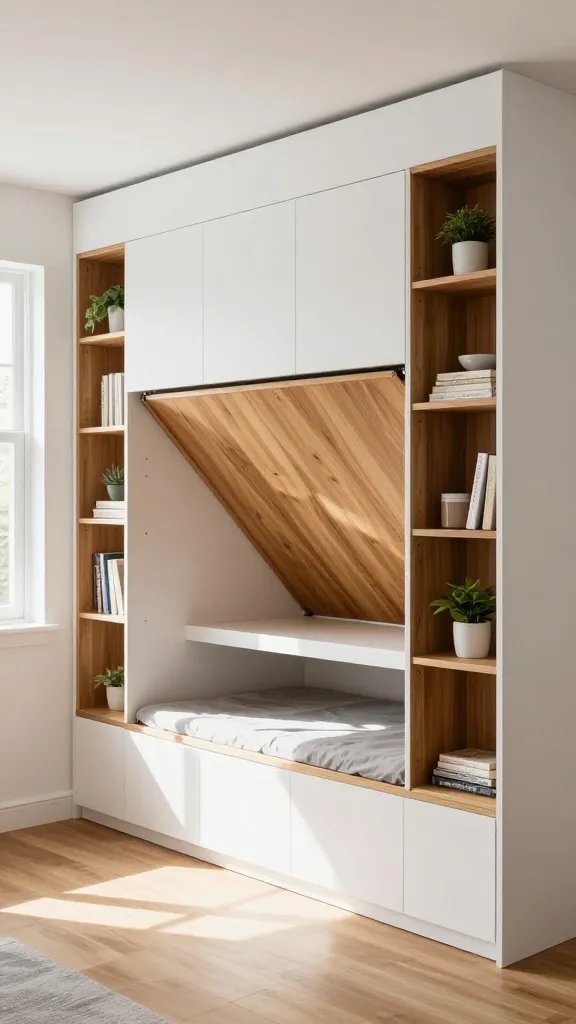
Nothing reclaims floor space quite like a bed that disappears into the wall. Modern Murphy beds aren’t your grandma’s clunky contraptions anymore – they come with built-in shelving, desks, and storage compartments that remain accessible whether the bed is up or down.
When you fold the bed up during the day, you suddenly have an entire room back. That’s roughly 30 to 50 square feet of usable space that would otherwise be occupied by a mattress you’re not even using for 16 hours a day.
Built-In Features to Consider:
- Side cabinets for clothing storage
- Overhead shelving for books and decor
- Fold-down desk surface
- LED lighting strips
- USB charging ports
Quality Murphy bed systems use hydraulic pistons or spring mechanisms that make lifting the bed effortless, even for one person. You don’t need to be a bodybuilder to operate one daily.
The upfront cost runs higher than a regular bed frame, but the spatial flexibility you gain makes it worth every penny in a tiny home. Plus, modern designs look like attractive wall units when closed, adding to your decor rather than screaming “hidden bed.”
5. Maximize Dead Space With Corner Shelving Units
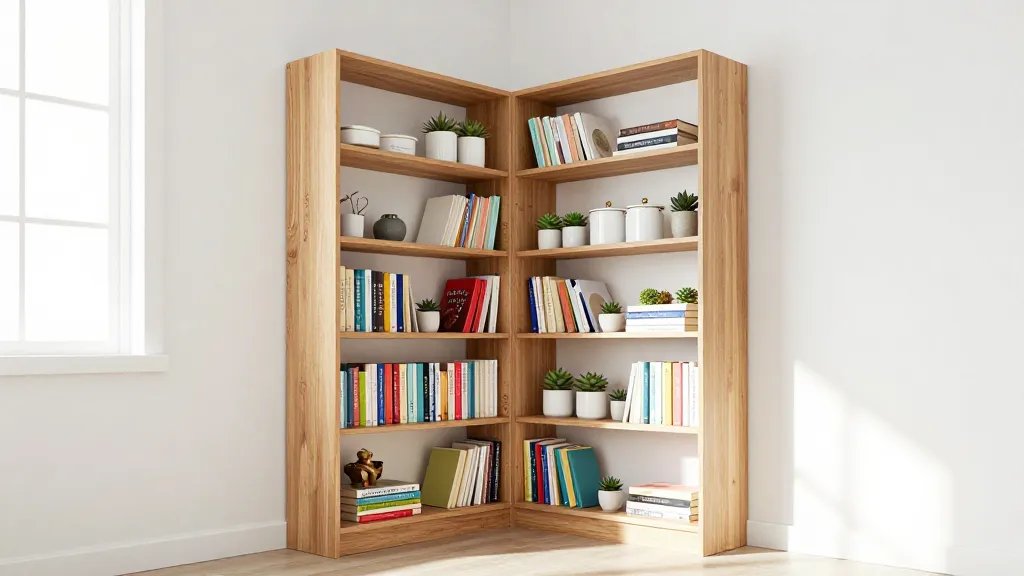
Corners are the most wasted real estate in tiny homes. Standard furniture doesn’t fit well in corners, leaving awkward triangular gaps that collect dust and maybe one sad houseplant.
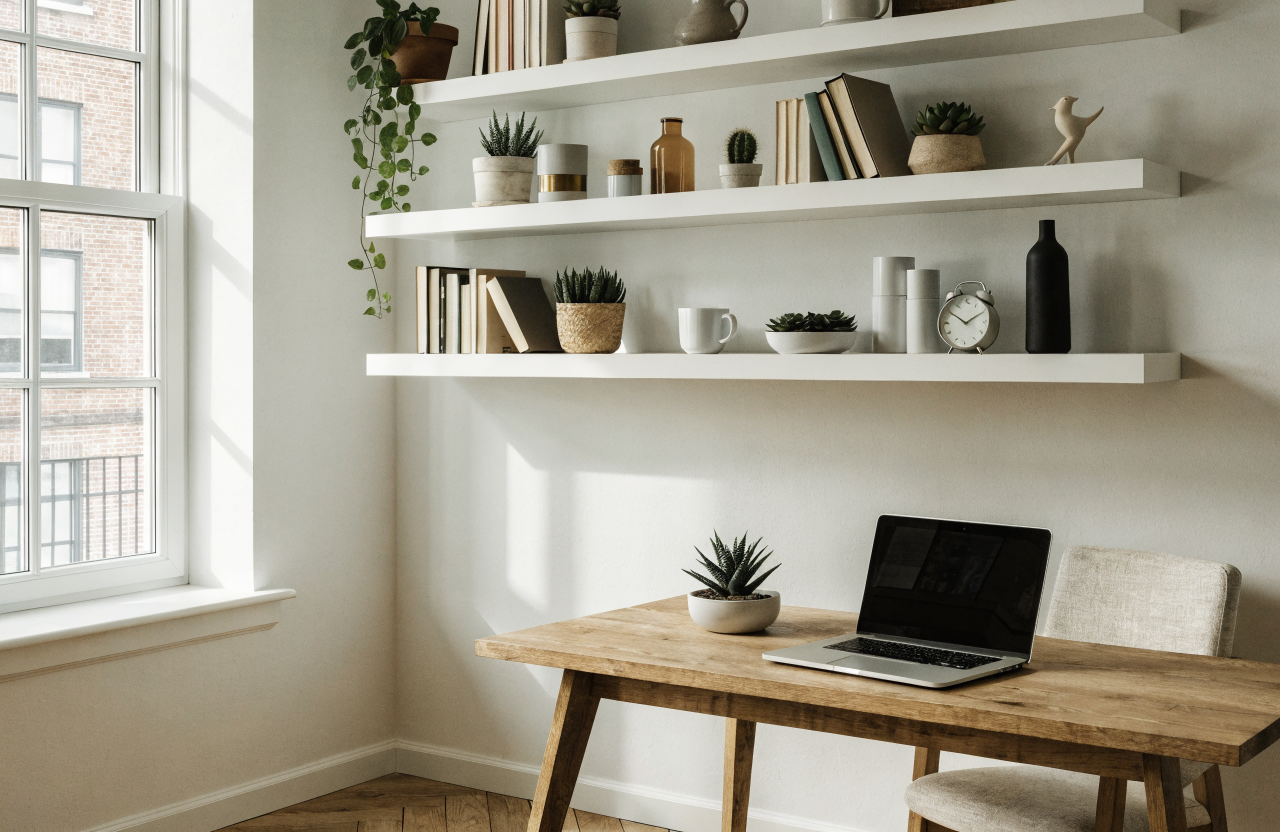
Corner shelving systems transform these useless zones into functional storage that can hold books, plants, kitchen supplies, or display items. You can install floating corner shelves, rotating lazy Susan-style units, or floor-to-ceiling corner towers depending on your needs.
Corner Storage Options:
- Floating zigzag shelves for visual interest
- Rotating carousel units for kitchens
- Tension-rod corner towers for rentals
- Built-in corner bench seats with storage underneath
In bathrooms, corner caddies instantly solve the “where do I put my shampoo” problem. In kitchens, corner lazy Susans make accessing spices and oils so much easier than digging through dark cabinets.
Seriously, once you start thinking about corners as prime storage territory, you’ll spot opportunities everywhere. That weird corner in your bedroom? Perfect spot for a tall corner shelf unit that holds folded clothes or accessories.
6. Create a Ceiling-Mounted Pot Rack System
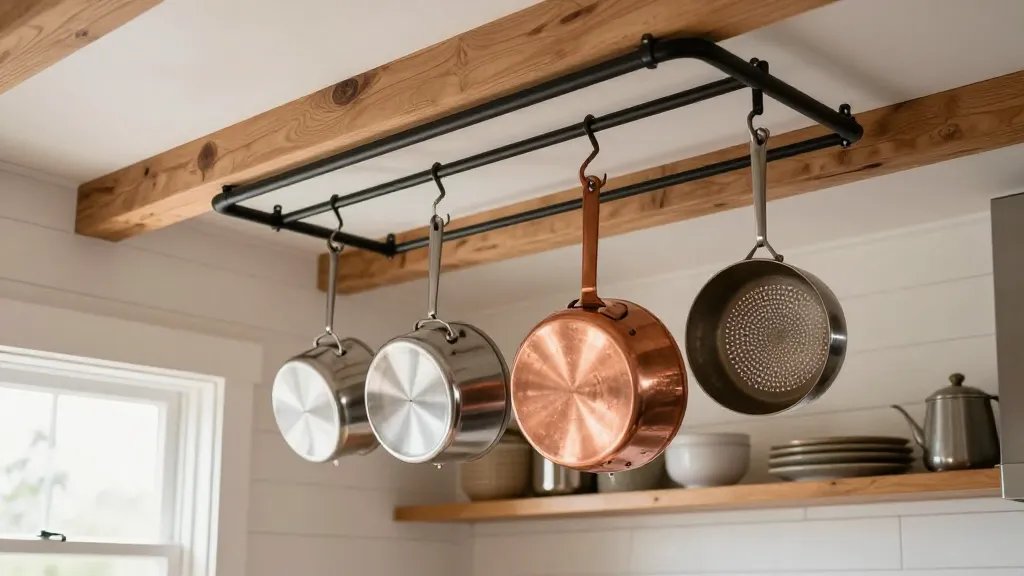
Your ceiling is basically untapped storage potential just hanging there doing nothing. Installing a pot rack frees up probably your most precious cabinet space while keeping cookware within easy reach.
Ceiling racks work especially well in tiny homes because they use vertical space that you can’t really use for anything else anyway. You’re not sacrificing counter area or cabinet storage – you’re creating entirely new storage from thin air.
What to Hang:
- Pots and pans with handles
- Colanders and mixing bowls
- Cooking utensils on S-hooks
- Mugs and coffee cups
- Hanging plants in lighter-weight areas
Make sure you install your rack into ceiling joists or use proper anchors rated for the weight you’re planning to hang. Nothing kills the vibe quite like your entire cookware collection crashing down during dinner prep.
Choose a rack style that matches your aesthetic – industrial pipe racks, rustic wood beams, or sleek metal grids all work great. IMO, exposed cookware actually adds character to a kitchen rather than making it look cluttered, especially if you choose coordinating pieces.
7. Install Sliding Barn Doors With Built-In Organizers
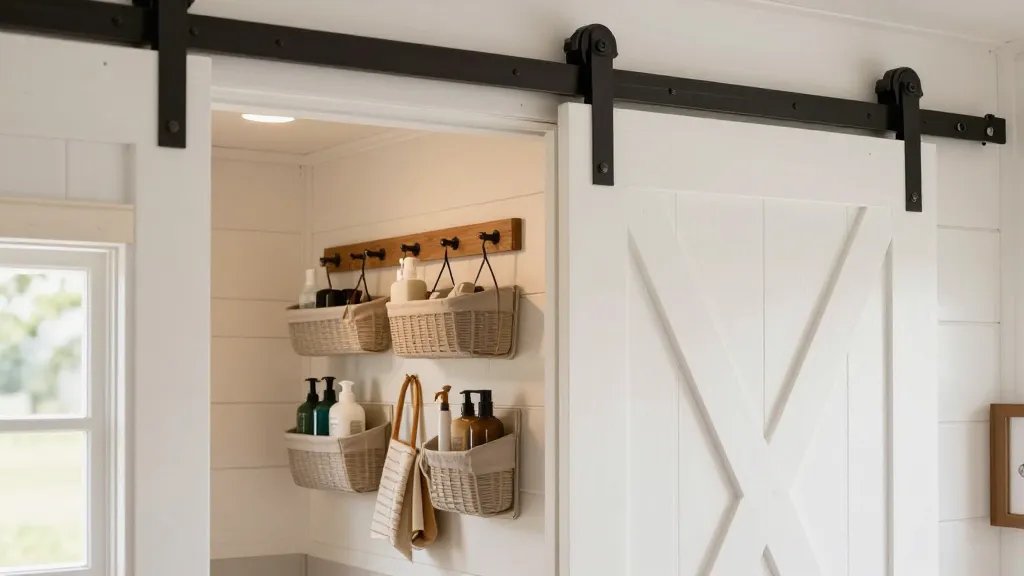
Traditional swinging doors waste so much space with their arc radius. Sliding barn doors eliminate that wasted space completely while adding serious style points to your tiny home.
But here’s where it gets really smart: you can add pockets, hooks, and shallow shelves to the back of sliding doors, creating storage that moves with the door. Suddenly your door isn’t just a door – it’s a mobile organization system.
Door Storage Ideas:
- Over-the-door shoe organizers for toiletries
- Spice racks mounted on kitchen doors
- Magazine holders for office supplies
- Towel bars and hooks in bathrooms
- Shallow shelves for books or decor
The sliding mechanism means you can install doors in tight spaces where swinging doors simply won’t work. You gain privacy and sound dampening while maintaining accessibility in narrow hallways or cramped bedroom entrances.
Barn door hardware comes in tons of styles from modern minimal to industrial chic. Just make sure you leave enough wall space on either side for the door to slide completely open, otherwise you’ve defeated the whole purpose.
8. Use Furniture With Hidden Storage Compartments
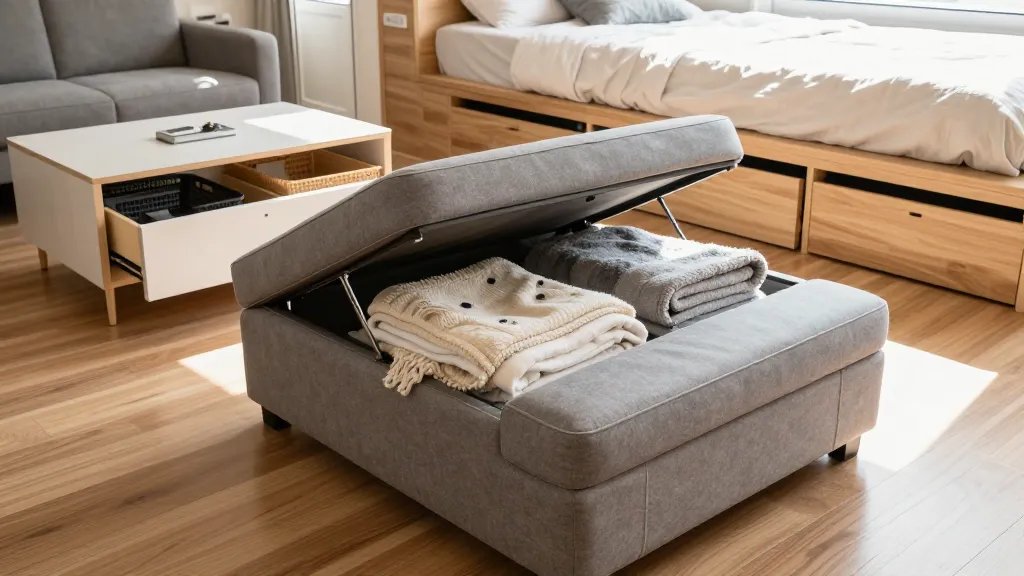
Every piece of furniture in your tiny home needs to pull double duty. Ottoman that’s also a storage chest? Perfect. Coffee table with drawers and shelves? Absolutely. Bed frame with built-in drawers underneath? Non-negotiable.
Multi-functional furniture is the foundation of successful tiny home living. When your couch contains enough storage for blankets, pillows, and off-season clothes, you can skip buying a separate linen closet entirely.
Essential Multi-Use Pieces:
- Storage beds with hydraulic lift mechanisms
- Ottoman coffee tables with removable tops
- Dining benches with flip-up seats
- Staircases with integrated drawers
- Window seats with storage underneath
The key is choosing pieces where the storage feels natural and accessible, not like an afterthought. You’ll actually use storage you can reach easily, but you’ll ignore storage that requires moving three other things first.
Look for furniture with smooth-operating mechanisms – cheap hardware on storage furniture breaks quickly and makes you regret the purchase. Quality pieces cost more upfront but they’ll function smoothly for years instead of becoming frustrating junk after six months.
Platform beds with storage drawers can replace an entire dresser, freeing up floor space for other necessities. That’s the mindset shift tiny home living requires: every item either serves multiple purposes or it doesn’t earn its place in your home.
Living small doesn’t mean sacrificing organization or style. With these storage solutions working together, you’ll maximize every square inch of your tiny home while keeping everything accessible and functional. Start with one or two ideas that address your biggest pain points, and you’ll be amazed at how much breathing room you create in your space.
0 Comments