Living in a shoebox doesn’t mean you have to feel like you’re living in one. These seven game-changing tricks will transform your cramped quarters into a surprisingly spacious sanctuary that’ll have your friends asking if you moved.
1. Mirror, Mirror on the Wall (But Make It Strategic)
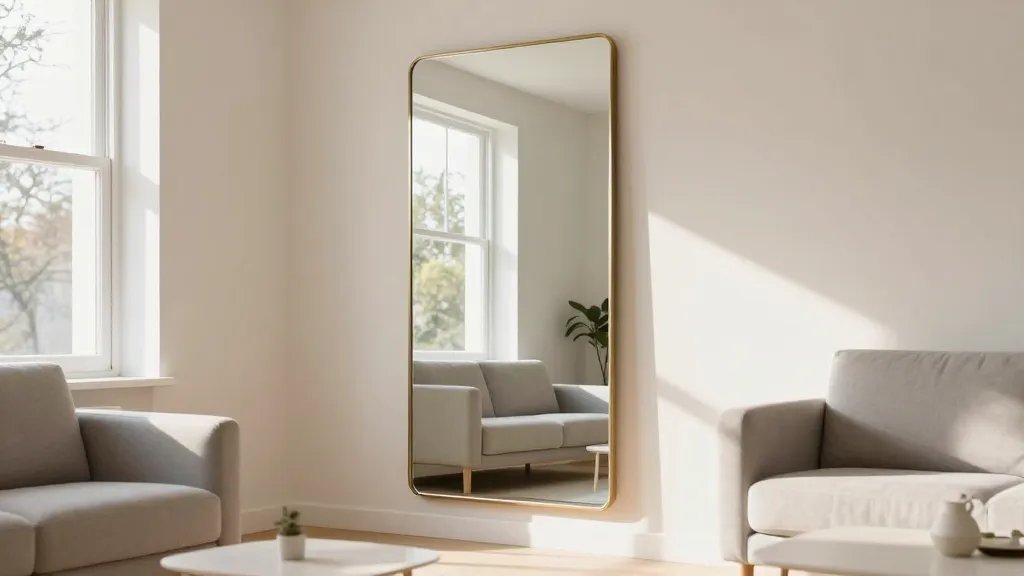
Mirrors aren’t just for checking your outfit before you leave. They’re basically magic portals that double your square footage without paying extra rent.
Here’s the thing about mirrors: placement is everything. Slapping one randomly on a wall won’t cut it. You want to position your mirrors opposite windows or light sources to bounce that natural light around like a ping-pong ball. The reflection creates depth and tricks your brain into thinking the room extends way beyond its actual boundaries.
Best Mirror Placement Strategies:
- Across from windows to maximize natural light reflection
- Behind light sources like lamps or candles for extra ambiance
- At the end of narrow hallways to create the illusion of length
- Leaning against walls instead of hanging for a casual, spacious vibe
Go big or go home with your mirror choice. A large floor-to-ceiling mirror creates way more impact than a collection of tiny ones. Think of it as creating a faux doorway to another room that just happens to be a reflection of yours.
Pro tip: arched mirrors are having a moment right now and they make ceilings look taller while adding architectural interest. Your studio apartment just got a whole lot fancier.
2. Furniture That Pulls Double (or Triple) Duty
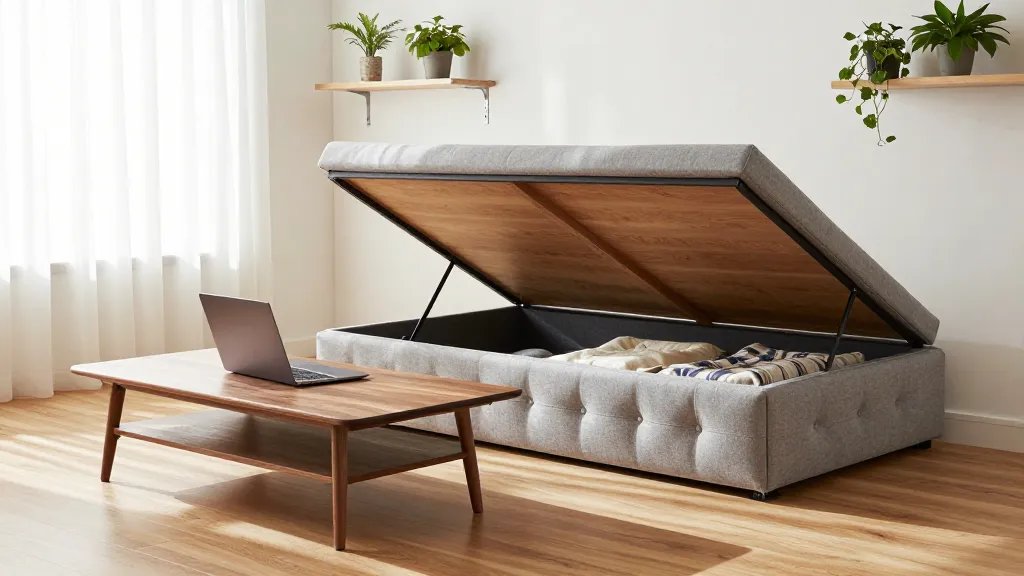
In a small apartment, every piece of furniture needs to earn its keep. If something only does one job, it’s taking up valuable real estate.
Say goodbye to single-purpose furniture and hello to pieces that work harder than you do on a Monday morning. Ottoman with storage? Check. Bed frame with built-in drawers? Absolutely. Coffee table that lifts up into a desk? Now we’re talking.
Multi-Functional Must-Haves:
- Murphy beds that disappear completely during the day
- Nesting tables you can tuck away when not in use
- Sleeper sofas for hosting overnight guests without a dedicated guest room
- Storage ottomans that serve as seating, footrests, and hidden storage
- Extendable dining tables that go from cozy dinner for two to party central
The key is thinking vertically and creatively about how you use each item. That bench by your entryway? It should have shoe storage underneath. Your sofa? Better believe it should have compartments or at least enough clearance underneath for slide-out bins.
Seriously, once you start looking for multi-functional furniture, you’ll wonder why anyone buys regular stuff. It’s like choosing a smartphone over a flip phone. Why limit yourself?
3. Embrace the Vertical Life
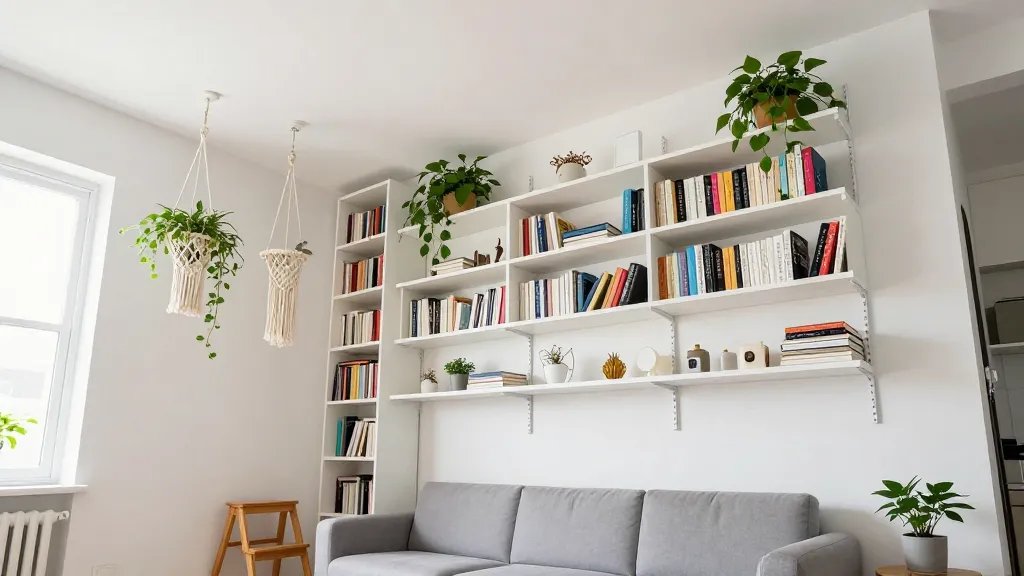
Floor space is premium real estate in a small apartment, but that ceiling height? Totally underutilized by most people.
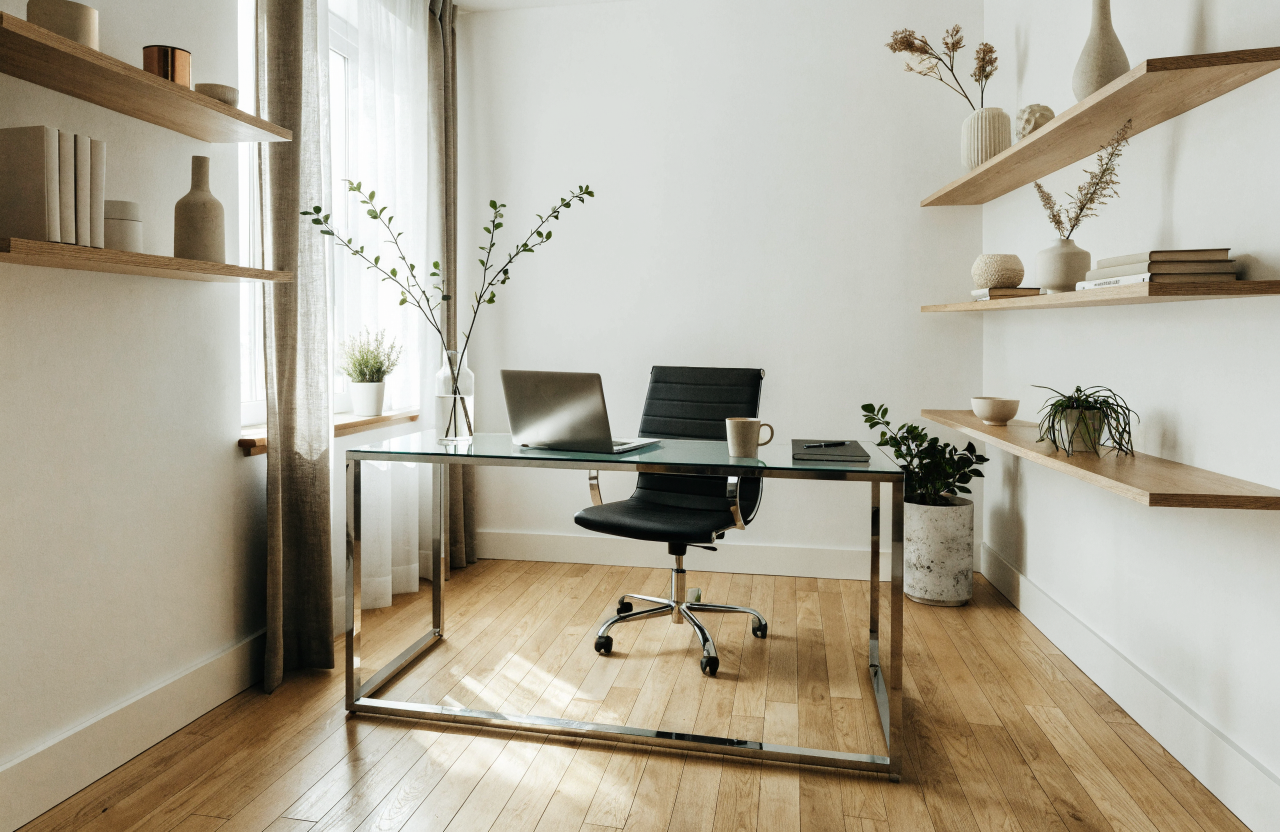
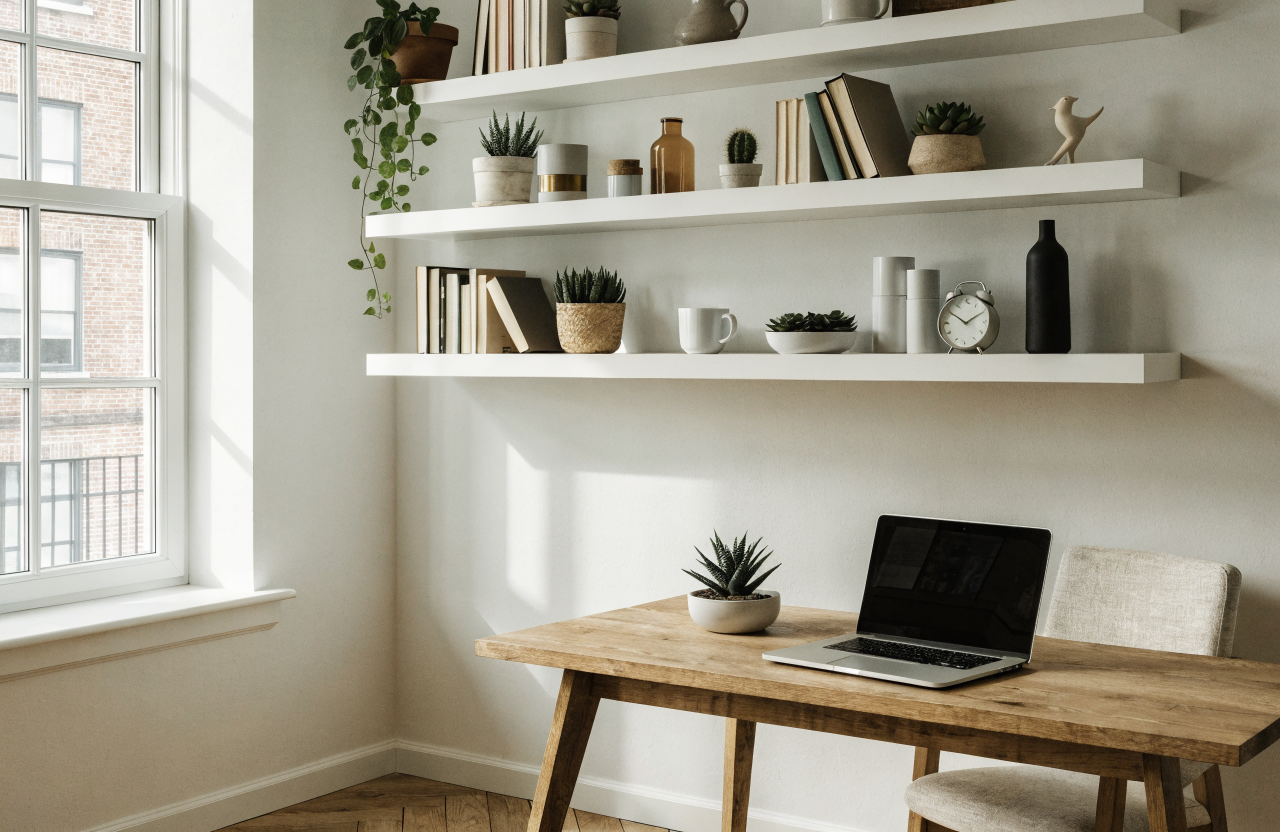
Stop thinking horizontally and start looking up. Wall-mounted shelves, tall bookcases, and hanging storage draw the eye upward and make your ceilings feel miles high. Plus, you’re creating storage space out of thin air (well, wall space, but you get it).
Install shelving that goes all the way up to the ceiling. Yes, you’ll need a step stool for the top shelves, but that’s where you store seasonal stuff anyway. The visual impact of floor-to-ceiling storage makes rooms feel taller and more intentional.
Vertical Storage Winners:
- Floating shelves in kitchens for dishes and glassware
- Pegboards for organizing everything from tools to accessories
- Hanging pot racks that free up cabinet space
- Wall-mounted bike racks that turn your ride into art
- Tall, narrow bookcases instead of wide, short ones
Don’t forget about the backs of doors. Over-the-door organizers aren’t just for college dorms anymore. They’re perfect for bathrooms, closets, and even pantries. Every square inch counts when you’re working with limited space.
The beauty of going vertical is that it keeps your floor clear, which automatically makes the space feel bigger. Less visual clutter at eye level equals a more expansive feeling overall.
4. Let There Be (Lots of) Light
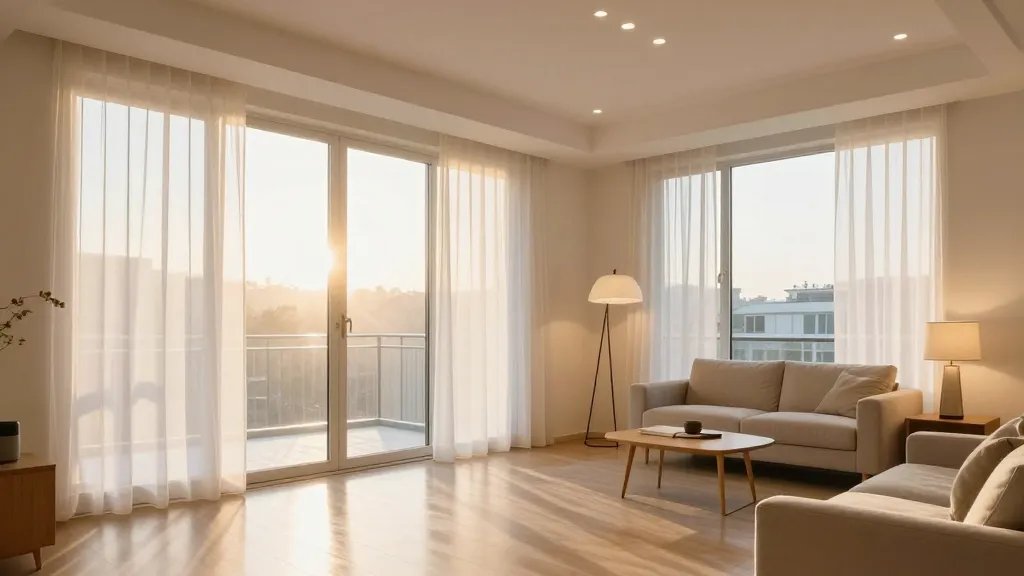
Dark rooms feel like caves, and caves feel small. Flooding your space with light is like giving it an instant expansion pack.
Natural light is your best friend, so don’t block those windows with heavy curtains or furniture. Keep window treatments light and sheer, or ditch them entirely if privacy isn’t an issue. The more sunlight you let in, the airier your apartment feels.
But what about when the sun goes down? That’s where layered lighting comes in. You need multiple light sources at different heights to eliminate shadows and create depth. One sad overhead light isn’t cutting it.
Lighting Layers That Work:
- Ambient lighting from ceiling fixtures or recessed lights
- Task lighting like desk lamps and reading lights
- Accent lighting to highlight artwork or architectural features
- Floor lamps in corners to push back the walls visually
- String lights or LED strips for subtle, mood-setting glow
Here’s a trick: place lamps in corners. The light bounces off two walls instead of one, spreading more evenly throughout the room. It also draws attention to the full dimensions of your space rather than leaving corners in shadow.
FYI, choosing bulbs with the right color temperature matters too. Warm white (2700K-3000K) feels cozy without being dim, while cool white can make small spaces feel clinical. Stick with warm for living areas and you’ll create an inviting atmosphere that doesn’t feel cramped.
5. Keep Your Color Palette Light and Cohesive
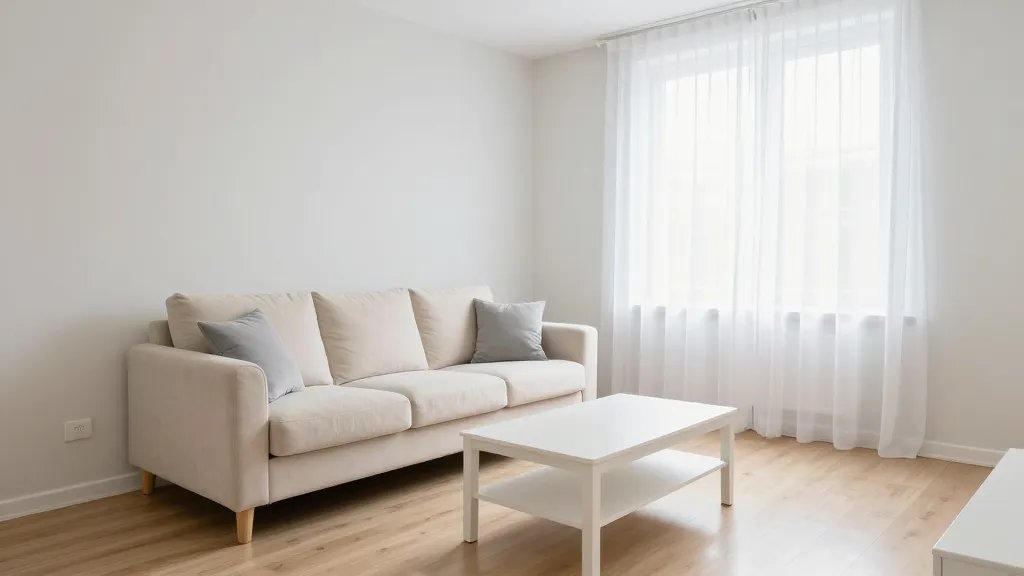
Bold, dark colors can look amazing in spacious lofts. In a small apartment? They’re basically shrink rays for your square footage.
Light, neutral colors reflect more light and create visual continuity that makes walls seem to recede. Think whites, creams, light grays, and soft pastels. Before you groan about boring beige, remember that neutral doesn’t mean personality-free. It means creating a calm backdrop that makes your space feel open and collected.
The trick is keeping your color scheme consistent across rooms. When you can see multiple spaces at once (hello, open floor plan studio), using the same or similar colors creates a seamless flow. Your eye travels smoothly instead of stopping at jarring color transitions, which makes the entire apartment feel larger.
Color Strategy Tips:
- Paint walls and trim the same color to blur boundaries
- Use the 60-30-10 rule: 60% dominant color, 30% secondary, 10% accent
- Add personality through textiles and art instead of wall color
- Consider tone-on-tone variations for subtle depth without contrast
- Paint the ceiling the same color as walls to eliminate visual stopping points
Want to add some color? Do it through easily changeable elements like throw pillows, artwork, or a statement rug. This way, you get personality without boxing yourself in (literally). Plus, you can switch things up seasonally without committing to a full repaint.
Trust me, a cohesive color palette makes even the tiniest apartment feel thoughtfully designed and surprisingly spacious. It’s like the difference between a curated gallery and a cluttered storage unit.
6. Clear the Clutter and Choose Wisely
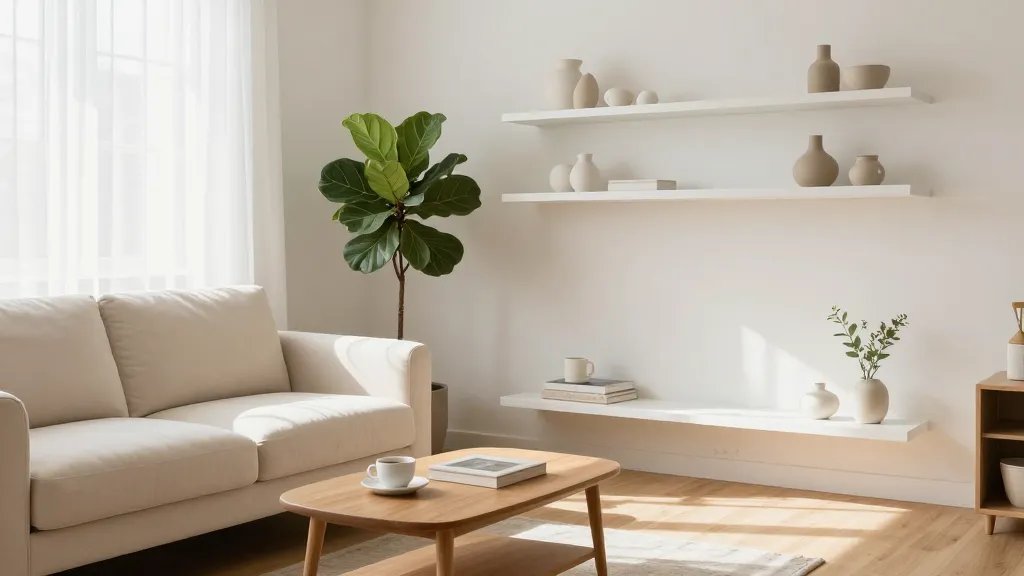
This one’s obvious but somehow the hardest to actually do. Clutter is the enemy of spaciousness, and small apartments have zero room for stuff you don’t actually use or love.
I’m not saying go full minimalist and live with three possessions, but you do need to be ruthless about what deserves space in your home. Every item should either be functional, beautiful, or ideally both. If it’s neither, why is it taking up precious real estate?
Implement the one-in-one-out rule: whenever you bring something new home, something old has to go. This prevents the gradual accumulation of stuff that magically appears when you’re not paying attention.
Decluttering Game Plan:
- Digitize what you can – books, documents, photos all take up physical space
- Use vertical organizers in closets to maximize hanging space
- Store seasonal items in under-bed containers or high shelves
- Display collections intentionally rather than scattering them everywhere
- Embrace hidden storage to keep surfaces clear and calm
Here’s the psychological part: clear surfaces equal clear mind and the feeling of more space. When your counters, tables, and floors are mostly empty, your apartment instantly feels bigger. It’s not about having less stuff necessarily; it’s about storing it smartly so it’s not all visible at once.
Consider closed storage over open shelving for items you use regularly but don’t want to see. While open shelves can look great, they also create visual noise. A mix of both gives you the best of both worlds—some curated display areas and some “hide it all away” zones.
7. Create Zones Without Walls
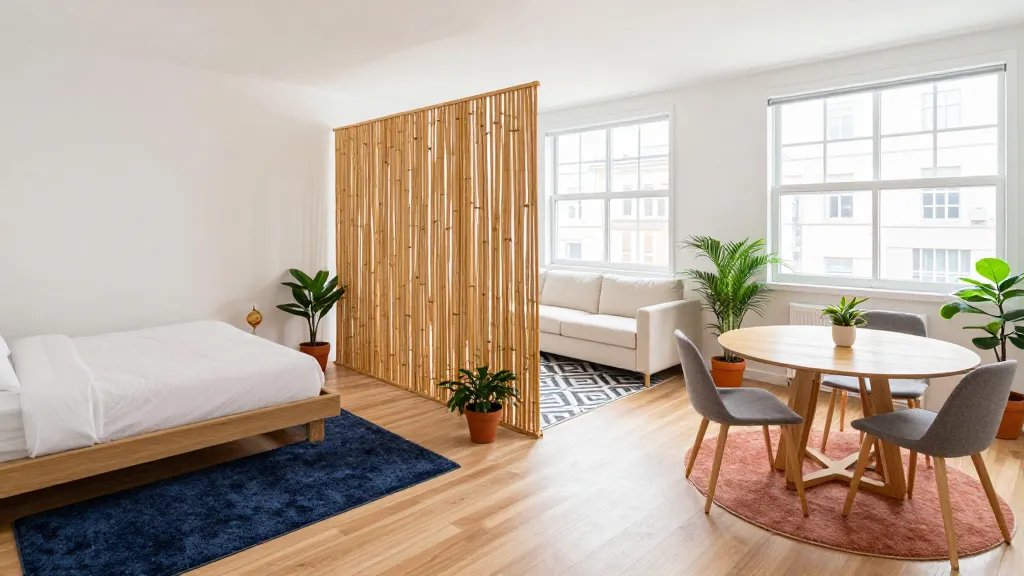
Open floor plans are great until you realize your bedroom, living room, and dining room are all the same room. Creating distinct zones makes your space feel more intentional and, paradoxically, larger.
You don’t need actual walls to define different areas. Area rugs, furniture placement, and room dividers can carve out separate zones while maintaining that open, airy feeling. The goal is to give each area its own identity without chopping up your space into tiny compartments.
Position your furniture to create natural pathways and separate functions. Your sofa doesn’t have to face the wall—float it in the room to define the living area. Use the back of your sofa as a boundary between your living and dining spaces. Boom, instant definition without sacrificing openness.
Zone-Creating Tools:
- Area rugs to anchor different functional areas
- Open bookcases as see-through dividers
- Curtains or screens for flexible, temporary separation
- Different lighting for each zone to create distinct moods
- Furniture arrangement that naturally guides traffic flow
- Platform risers to slightly elevate sleeping or work areas
IMO, the best room dividers are functional pieces that serve multiple purposes. A tall plant on a stand creates separation while adding life to your space. A shelving unit divides areas while providing storage on both sides. A folding screen hides your bed from view when you have guests but tucks away when you want the space to feel open.
The beauty of defined zones is that each area feels complete and purposeful. Your studio apartment stops feeling like one confused room and starts feeling like a thoughtfully designed home with distinct living, sleeping, and working areas. Plus, it makes the space feel larger because you’re maximizing every square foot for a specific function.
So there you have it—seven totally doable ways to make your small apartment feel like it doubled in size without actually moving or knocking down walls. The best part? You can implement most of these ideas gradually, starting with whatever resonates most with your space and lifestyle. Your apartment might be small, but with these tricks up your sleeve, it’s about to feel a whole lot bigger and way more livable. Now go reclaim that square footage!
0 Comments